Is a Clinical Trial Safe? Understanding Participant Protections and Informed Consent
Safety is the first question most people ask about clinical trials. Here is what informed consent, IRB oversight, and federal regulations actually mean for participants at Arrow Clinical Trials.

Safety is the first question most people ask when they consider joining a clinical study — and it should be. The honest answer is that no medical research is entirely without risk, but clinical trials in the United States operate under a structured system of protections that most people never hear about. Here is what those protections look like in practice.
Every person who walks through our door to consider a study gets the same thing first: a real conversation about what the research involves, what the risks are, and what their rights are. Informed consent is not a form — it is a process.
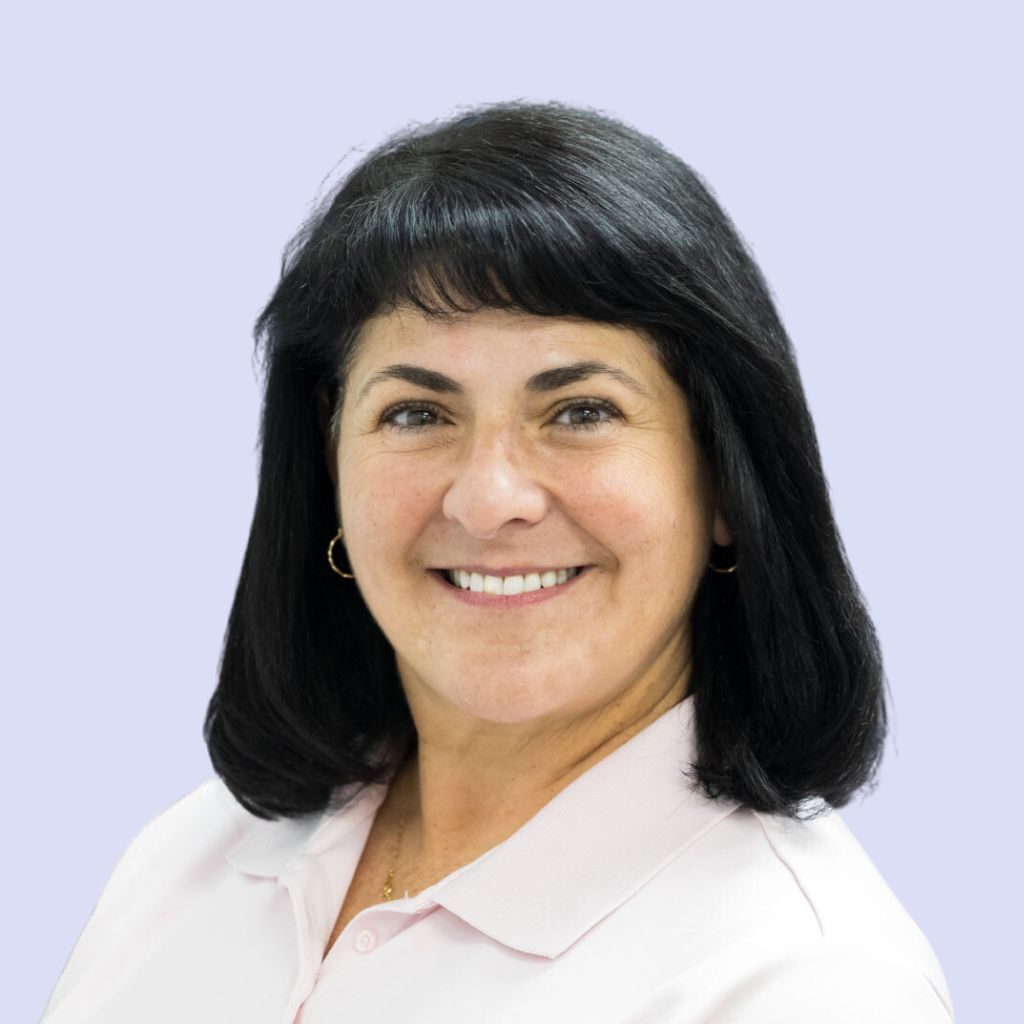 Leslee Kubiet, Ph.D, APRN, ANP-BC
Investigator
Leslee Kubiet, Ph.D, APRN, ANP-BC
Investigator
What Informed Consent Actually Means
Informed consent is the cornerstone of ethical clinical research. Before anyone can join a study, the research team is required by federal law to explain the study in plain language — what will happen, how long it takes, what the potential risks and benefits are, and what alternatives exist. You have the right to ask questions, take time to think it over, and involve your family or doctor in the decision.
Signing the informed consent form is not the end of the conversation. It is the beginning. You can ask questions at any point during the study, and the team must tell you about any new findings that might affect your willingness to continue.
IRB Oversight: The Independent Review Board
Every clinical trial run at a legitimate U.S. research site must be reviewed and approved by an Institutional Review Board, or IRB. This is an independent committee — not part of the study sponsor — that includes physicians, researchers, and community members. Their job is to protect participants.
The IRB reviews the study protocol before it starts, evaluates the risk-benefit ratio, and monitors ongoing studies for safety. If concerns arise during a trial, the IRB has the authority to pause or stop it. No study at Arrow moves forward without this review.
Federal Regulations and Good Clinical Practice
Clinical trials in the U.S. are regulated by the Food and Drug Administration (FDA) and follow international standards known as Good Clinical Practice (GCP). These standards govern everything from how data is collected to how participant safety events are reported. Research sites are subject to audits and inspections, and sponsors are required to report adverse events to regulators.
This regulatory layer exists because research without accountability is not research — it is an experiment. The rules are detailed and enforced.
Your Right to Withdraw at Any Time
Participation is always voluntary. You can leave a clinical study at any time, for any reason, without penalty and without affecting your access to other care. This right is protected by law and is a fundamental principle of research ethics.
If something comes up — a side effect, a change in your health, or simply a change of mind — you notify the team and that is it. You will not be pressured to stay, and your decision will be respected.
Ongoing Safety Monitoring During the Study
Once a study is underway, safety monitoring continues throughout. Many trials have an independent Data Safety Monitoring Board (DSMB) that reviews unblinded data at regular intervals. If the data shows unexpected harm — or unexpectedly strong benefit — the board can recommend pausing or stopping the trial.
At the site level, the research team tracks every participant's response and is required to report any serious adverse events promptly to the sponsor and to the IRB.
What Arrow Does Specifically
Arrow Clinical Trials was built around the principle that research and care are not in tension — they belong together. Every participant in an Arrow study receives study-related procedures at no cost, access to medical oversight throughout the trial, and the same standard of attention you would expect from a healthcare provider. The team takes the time to walk through informed consent completely, not as a formality but as a genuine part of the process.
If you have questions about a specific study — the procedures, the risks, how monitoring works — the team will answer them before you sign anything.
Curious about what studies are currently open? Browse enrolling studies at Arrow and reach out with any questions before you commit to anything.
Frequently Asked Questions
Are clinical trials safe?
Clinical trials involve risk, but they are conducted under strict federal regulations, independent IRB oversight, and Good Clinical Practice standards. Participants receive thorough informed consent before joining and are monitored throughout the study.
What is informed consent in a clinical trial?
Informed consent is a required process where the research team explains the study — its purpose, procedures, risks, and your rights — in plain language before you agree to participate. It is an ongoing conversation, not just a one-time signature.
What does an IRB do?
An Institutional Review Board is an independent committee that reviews and approves clinical trials before they start and monitors them for participant safety. They have the authority to pause or stop a study if concerns arise.
Can I leave a clinical trial once I have joined?
Yes. Participation is always voluntary, and you can withdraw at any time for any reason without penalty. Your decision will be respected and will not affect your access to other medical care.
How are clinical trial participants monitored for safety?
Participants are monitored by the site team throughout the study. Many trials also have an independent Data Safety Monitoring Board that reviews safety data at regular intervals and can recommend stopping the trial if needed.
Active Studies
See if you qualify for a current clinical trial.
Explore Arrow's active clinical trials and find opportunities to participate in cutting-edge research right here in Daytona Beach.